Antioch, IL
If your bathtub isn’t getting used, a Tub-to-Shower Conversion can improve daily comfort while modernizing the footprint of the room. Antioch Bathroom Remodel Contractors Pro plans conversions to meet Illinois plumbing and electrical requirements, using manufacturer-approved waterproofing methods. For Tub-to-Shower Conversion in Antioch, we focus on drainage, wall protection, and a clean finished look—not a quick surface swap.
Antioch Bathroom Remodel Contractors Pro is a licensed bathroom remodel contractor offering tub-to-shower conversion to homeowners in Antioch, IL. Our in-house team handles every trade — plumbing, electrical, tile, and finish — so your project stays on schedule and on budget. Free in-home design consultation.
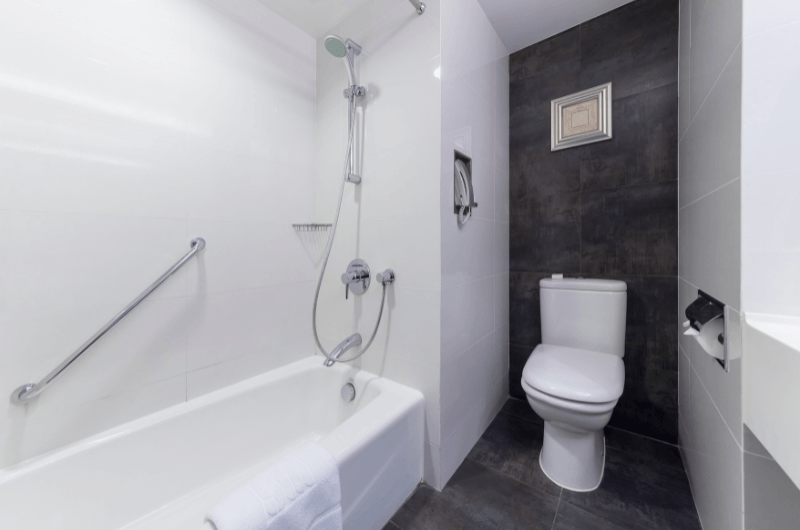
A Tub-to-Shower Conversion replaces the tub basin and surround with a dedicated shower base, waterproof wall system, and properly positioned valve/trim. We remove the tub, inspect the framing, and build a new shower pan using a Schluter-KERDI shower kit or a Wedi Fundo base (as conditions allow), then verify slope with a digital level before setting tile or wall panels. For plumbing changes, we use PEX-A with Uponor ProPEX connections or copper sweat fittings where appropriate, and we set valves like the Moen Posi-Temp to stabilize temperature and reduce scald risk.
This tub-to-shower remodel often solves technical issues homeowners don’t see until the tub comes out: trapped moisture behind the surround, uneven subfloors, and outdated drain assemblies. If the existing drain is not centered or is undersized, we correct it and confirm proper venting and trap configuration to reduce gurgling and slow drainage. In older homes, we frequently find insufficient blocking for grab bars or cracked plaster that needs stabilization; we address these during the tub removal and shower conversion phase rather than hiding them behind a new surround.
Our tub-to-shower conversion process is structured to limit surprises. Step 1: protect floors, isolate dust, and shut off water at the valve or main. Step 2: demo the tub and surround, then check studs and subfloor with a moisture meter and straightedge. Step 3: update rough plumbing (drain, trap arm, valve height) and confirm pressure-balancing at the mixing valve; this is also when any GFCI receptacle updates are coordinated if electrical work is involved. Step 4: apply a bonded waterproof membrane (Schluter-KERDI or RedGard where specified) and perform a 24-hour flood test; data shows water damage and freezing account for about 75% of U.S. homeowners insurance claims, so controlling water at the source matters. Step 5: finish with tile, grout, and silicone transitions, then install trim and a shower door or rod as selected.
Materials and build standards matter most in a conversion because the tub’s integral waterproofing is gone. We follow the Tile Council of North America (TCNA) Handbook methods for shower assemblies, use ANSI A118.10-compliant waterproofing membranes, and set tile with ANSI A118.4 thinset mortar such as MAPEI Ultraflex 2. For grout, we typically specify an epoxy grout like LATICRETE SpectraLOCK in high-splash zones, plus 100% silicone sealant at changes of plane to reduce cracking. Plumbing work is aligned with the Illinois Plumbing Code, and any receptacle work in the bathroom is aligned with NEC GFCI requirements.
Design-wise, a tub-to-shower conversion can be tuned for daily use without becoming a full layout overhaul. We can add a linear drain (when framing permits) for a cleaner threshold, install a pre-sloped shower pan, and set a recessed niche using a Schluter-KERDI-BOARD niche insert to keep shampoo storage out of corners. For added stability, we can install blocking and mount Moen SecureMount hardware or a properly anchored grab bar system, with fasteners and backing sized for the load rating rather than relying on drywall anchors.
Antioch, IL homes often experience seasonal humidity swings and winter freeze-thaw cycles that can stress grout joints, caulk lines, and plumbing connections—especially on exterior-wall bathrooms. We routinely perform Tub-to-Shower Conversion projects for properties near Chain O’Lakes State Park and throughout Lake County, coordinating details like insulation behind shower walls, proper exhaust fan performance, and code-aligned rough plumbing. Because permit and inspection requirements can be handled through the Village of Antioch Building & Zoning Department, we plan the conversion schedule around any required approvals and inspection windows.
When you hire Antioch Bathroom Remodel Contractors Pro for tub-to-shower conversion in Antioch, you get a dedicated project manager, licensed in-house trades, a fixed-price quote upfront, and a lifetime workmanship warranty. We've completed hundreds of bathroom remodels across Antioch and know exactly how to navigate local building codes, permits, and HOA requirements.
Tub-to-shower conversion cost in Antioch typically depends on demolition scope, plumbing changes, waterproofing method, and finish selections. Pricing is influenced most by (1) whether the drain must be relocated, (2) valve replacement (pressure-balancing valve vs. reusing existing), (3) wall system choice (tile vs. solid surface panels), (4) subfloor repair or leveling, and (5) whether a flood test and upgraded membrane system are included. After an on-site measurement and inspection, you can request an estimate that itemizes labor, waterproofing, plumbing rough-in, and finish materials so you can compare options clearly.
A tub-to-shower conversion commonly takes about 3–7 working days once materials are on site, but the timeline changes with drying/curing and inspection needs. Demo and rough plumbing often take 1–2 days; waterproofing and flood test add about 1–2 days; tile setting and grout/sealant curing typically require 2–3 additional days. Relocating a drain, repairing subfloor damage, or choosing complex tile patterns can extend the schedule.
In Illinois, permits are commonly required when a tub-to-shower conversion involves plumbing modifications (valve replacement, drain changes, or venting adjustments) and may also apply if electrical work is performed in the bathroom. Permit rules can vary by the local authority having jurisdiction, so we recommend confirming requirements with the Village of Antioch Building & Zoning Department before work begins. If a permit and inspection are needed, the project plan should include time for rough-in and final sign-off.
You may be a good candidate for a tub-to-shower conversion if you notice any of these signs: (1) you rarely use the tub and prefer a walk-in shower footprint; (2) the tub surround has recurring caulk failure, grout cracks, or soft spots that suggest moisture intrusion; (3) slow drainage or gurgling that points to an aging drain/trap assembly; (4) slippery tub floor or high step-over height that increases fall risk; (5) visible staining or swelling at the tub edge where water is wicking into drywall or subfloor.
Schedule your free in-home design consultation today. Our licensed bathroom remodel contractors in Antioch will walk your space, listen to your vision, and give you an honest fixed-price quote — with no pressure and no hidden fees.